
LARS Ø RAMBERG
26.–30. SEPTEMBER


BARE
NASJONALGALLERIET, OSLO
What remains of a museum when the works that defined it are no longer there?
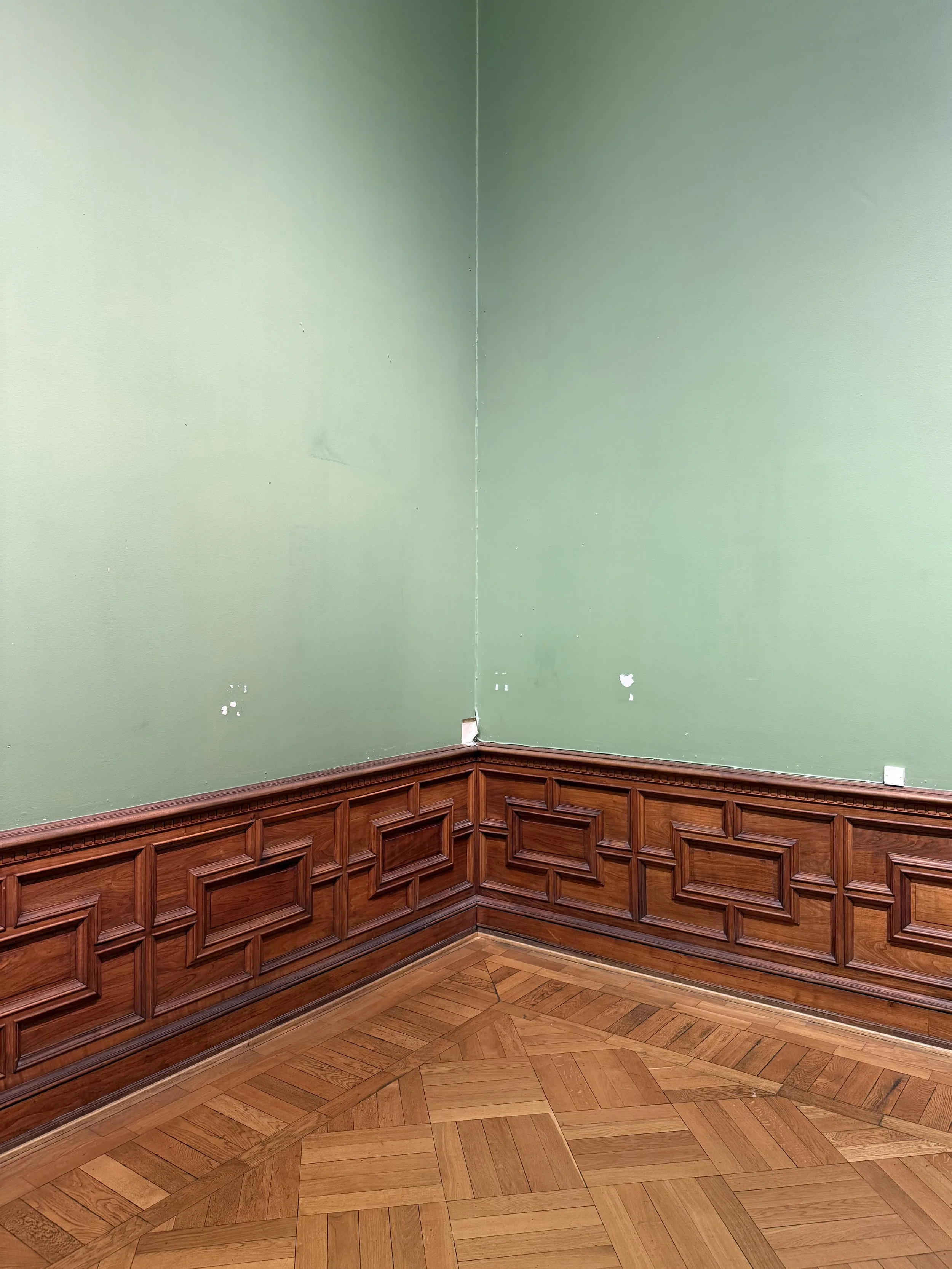
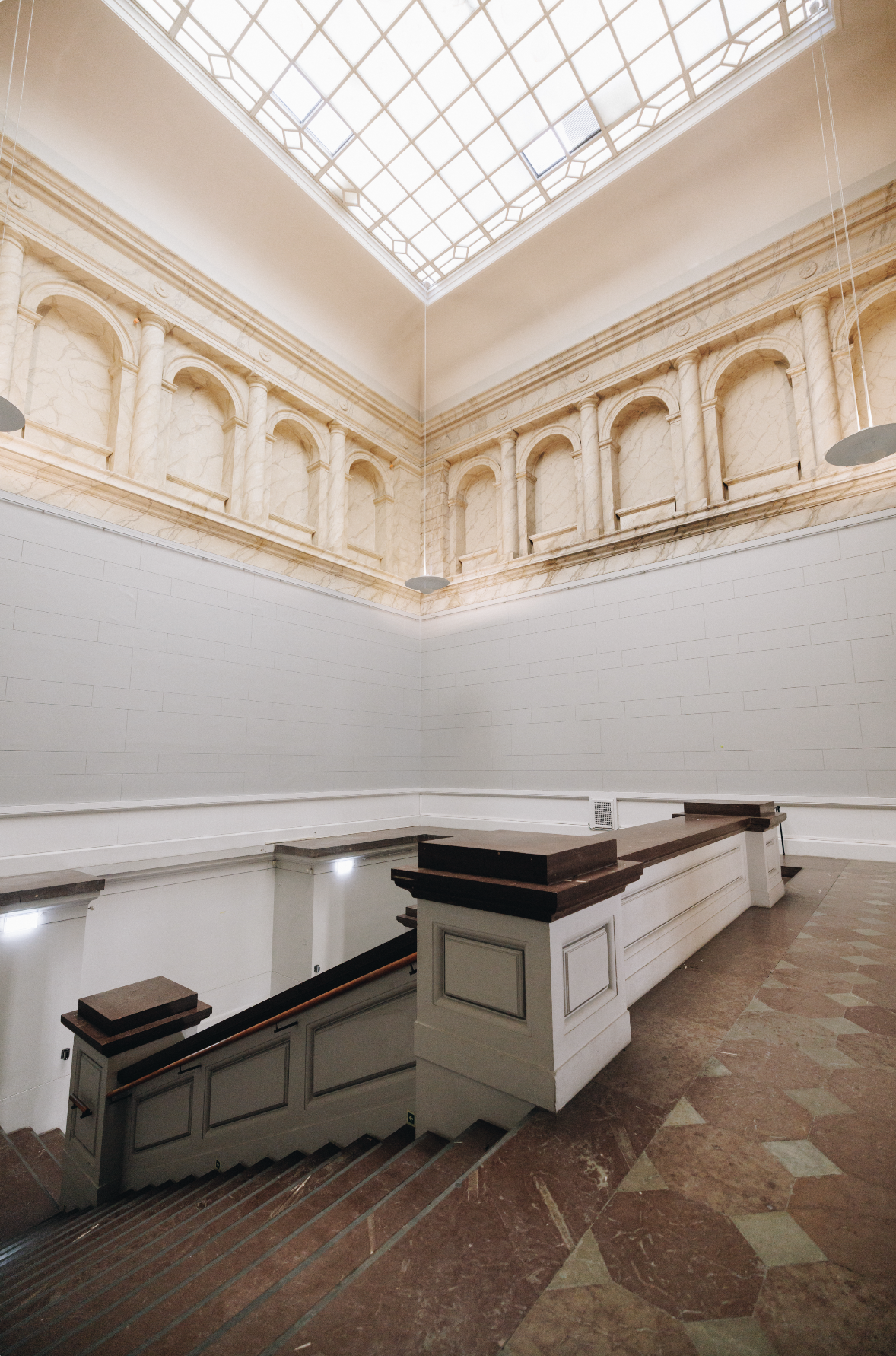
When Nasjonalgalleriet closed in 2019, its collection left the building. The historic galleries have since stood without the art they were created to display.
The Munch Room without Munch. The sculpture galleries without sculptures. The skylit galleries without the paintings that defined them for generations.
For a brief period, Nasjonalgalleriet opens in a state that cannot be repeated. The collection has left. The new art has yet to move in.
The museum exists in a state of suspension.
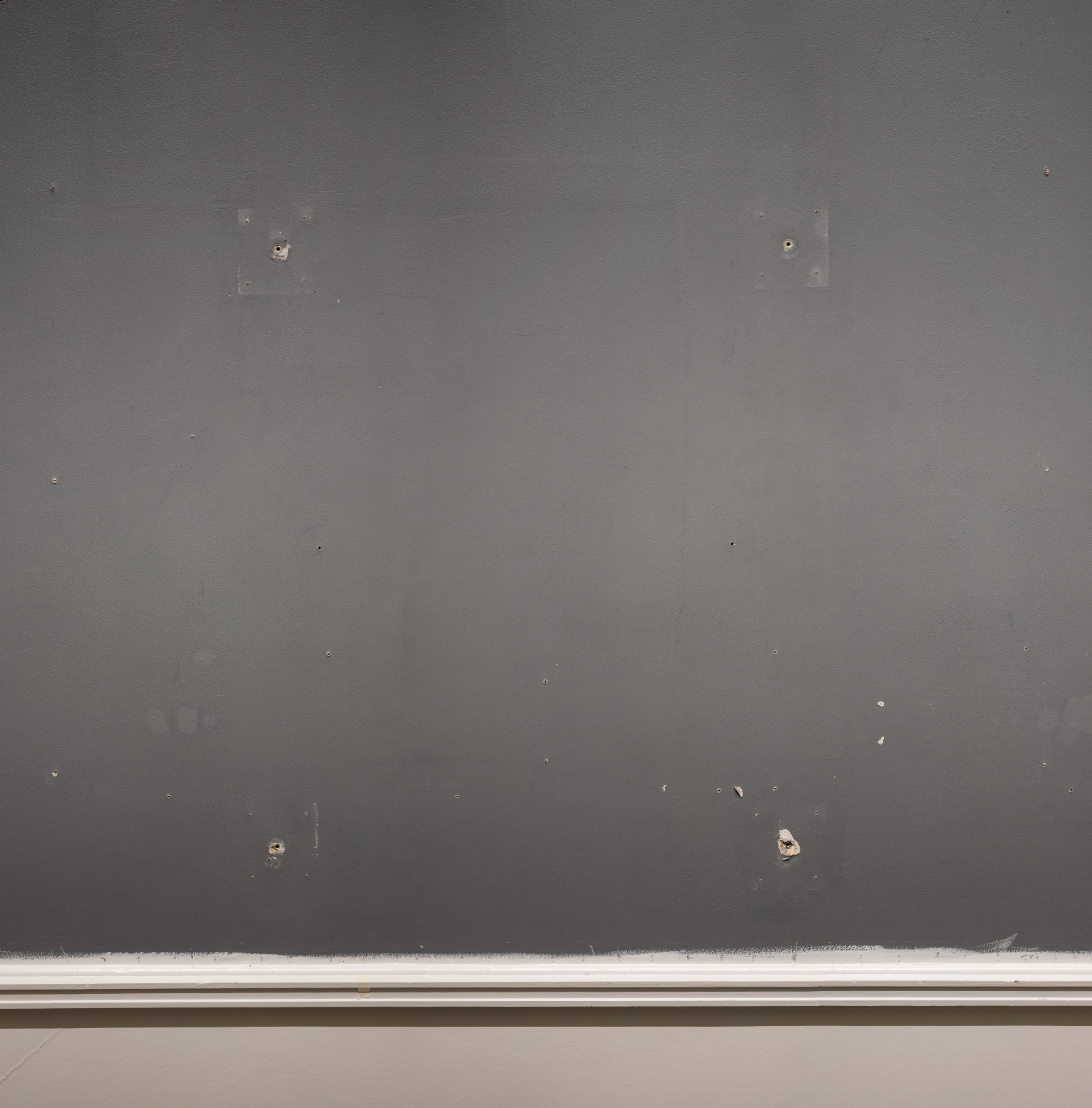
BARE takes this historical condition as its material. No new artworks are added. Instead, the building itself comes into focus: its architecture, natural light, materials, acoustics and the traces of more than a century of art and visitors
The absence of the artworks does not negate the museum. It makes it visible.
The emptiness is the content.
The rooms retain a material and cultural memory. The absent works continue to exist as mental images, institutional memory and collective remembrance. No reproductions are shown. The images emerge in the minds of the audience.
Visitors are given a simple white paper suit and become part of the exhibition.
An important art-historical precedent is Ilya and Emilia Kabakov’s The Empty Museum (1993), in which the artists constructed a classical museum gallery without paintings. The architecture, lighting, music and rituals of the museum remained, while the works themselves were absent.
BARE reverses this premise.
The Kabakovs constructed the absence. Here, absence has been produced by history itself.
Nasjonalgalleriet is not transformed into an installation. It is read as one.
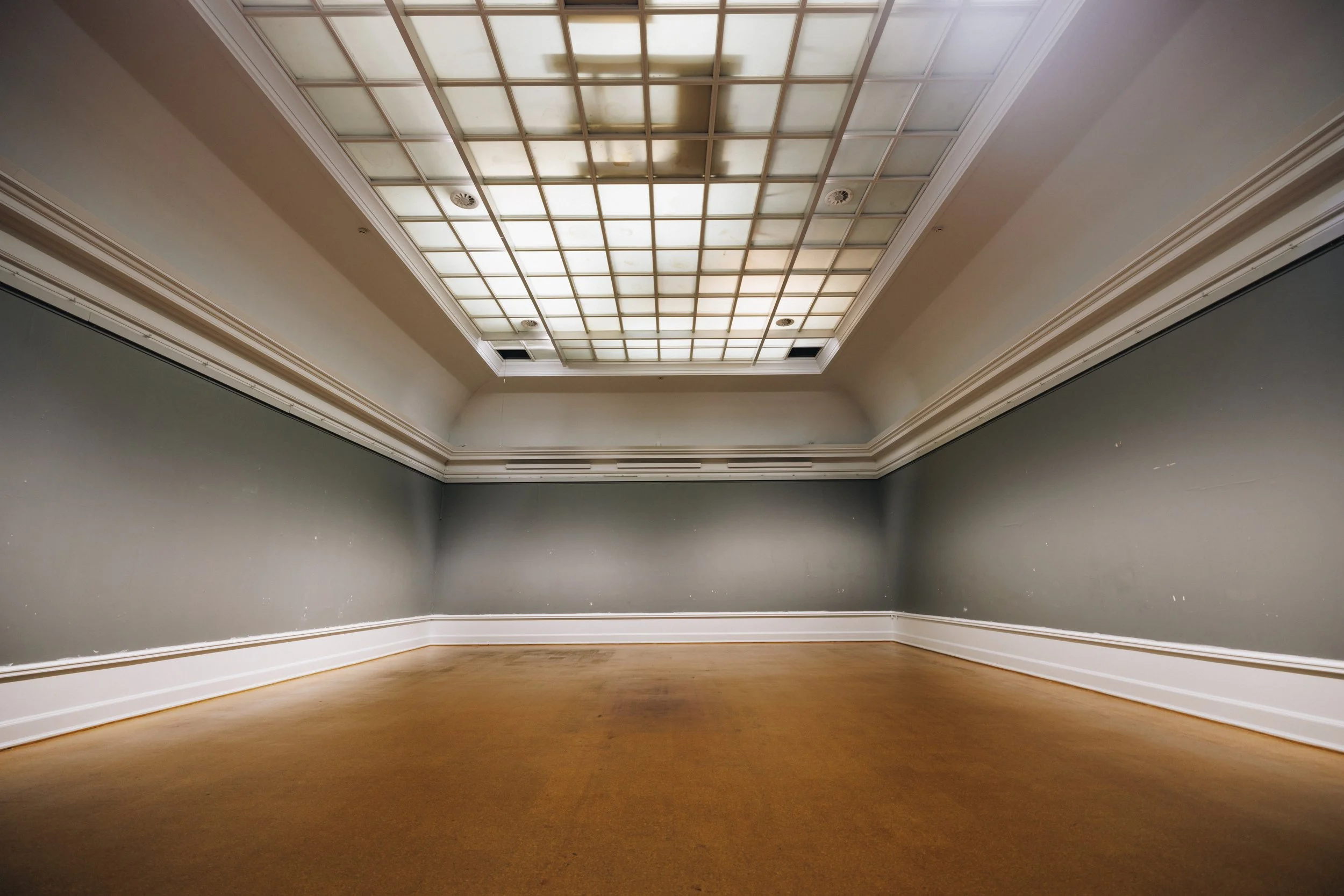
BARE approaches the museum as an institutional readymade: an existing structure whose meaning shifts when its original function is temporarily suspended.
The empty walls become both an archive of what has been and a projection surface for what does not yet exist.
The old masterpieces are gone. The new ones have yet to be created.
BARE occupies this interval between memory and possibility, between the museum’s past and the future of art. It does not attempt to fill the interval. It makes the interval the work.
Once art returns to the galleries, the conditions that make BARE possible will cease to exist.
For a brief period, Nasjonalgalleriet is no longer a museum containing objects.
The museum itself becomes the object.
BARE — concept and curation: Lars Ø Ramberg, Artistic Director of Nasjonalgalleriet